Pitch Patterns and Umpire Tendencies That Quietly Reshape Run-Line Values in Major League Baseball Betting
Mia Berger · Aug 19, 2026
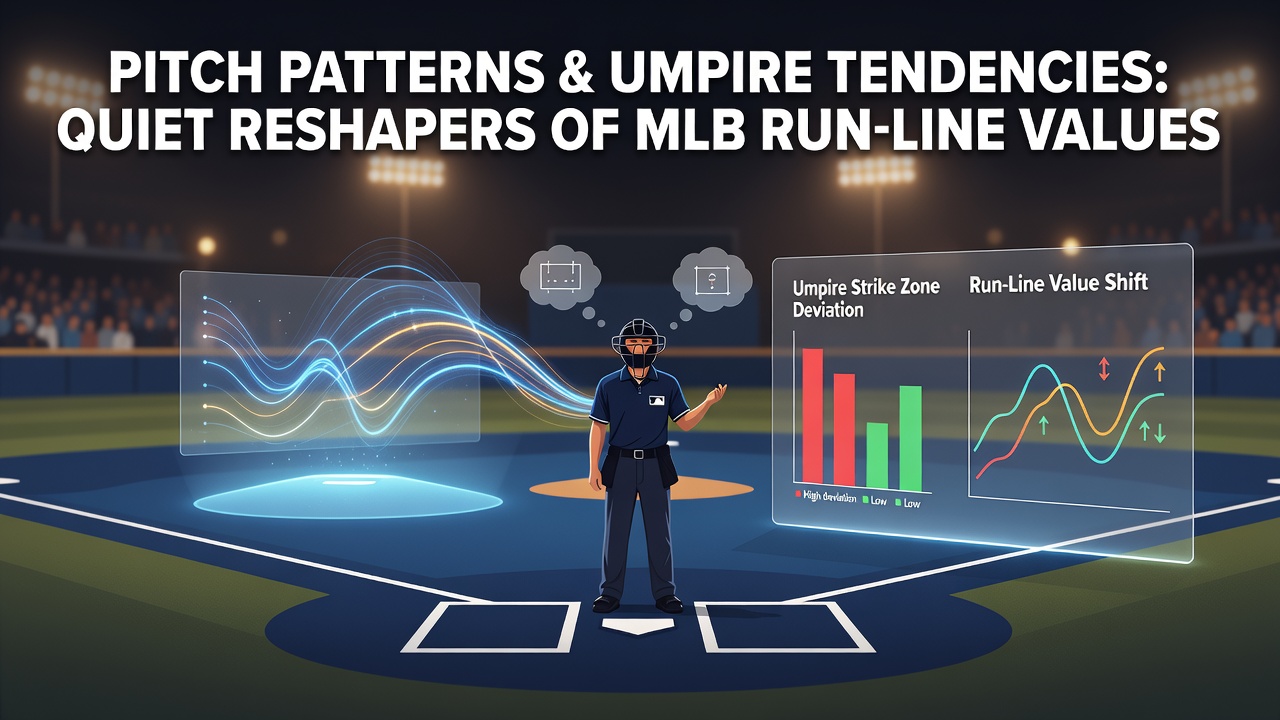
Pitch Patterns and Umpire Tendencies That Quietly Reshape Run-Line Values in Major League Baseball Betting
Run-line betting in Major League Baseball hinges on margins of 1.5 runs, and subtle variations in how pitchers locate the ball combined with how individual umpires enforce the strike zone produce measurable shifts in scoring environments that adjust those margins. Observers note that these factors operate below the surface of box scores yet surface consistently when analysts compile pitch-tracking data and umpire-specific call logs across full seasons.
Pitch Location Trends and Run Production
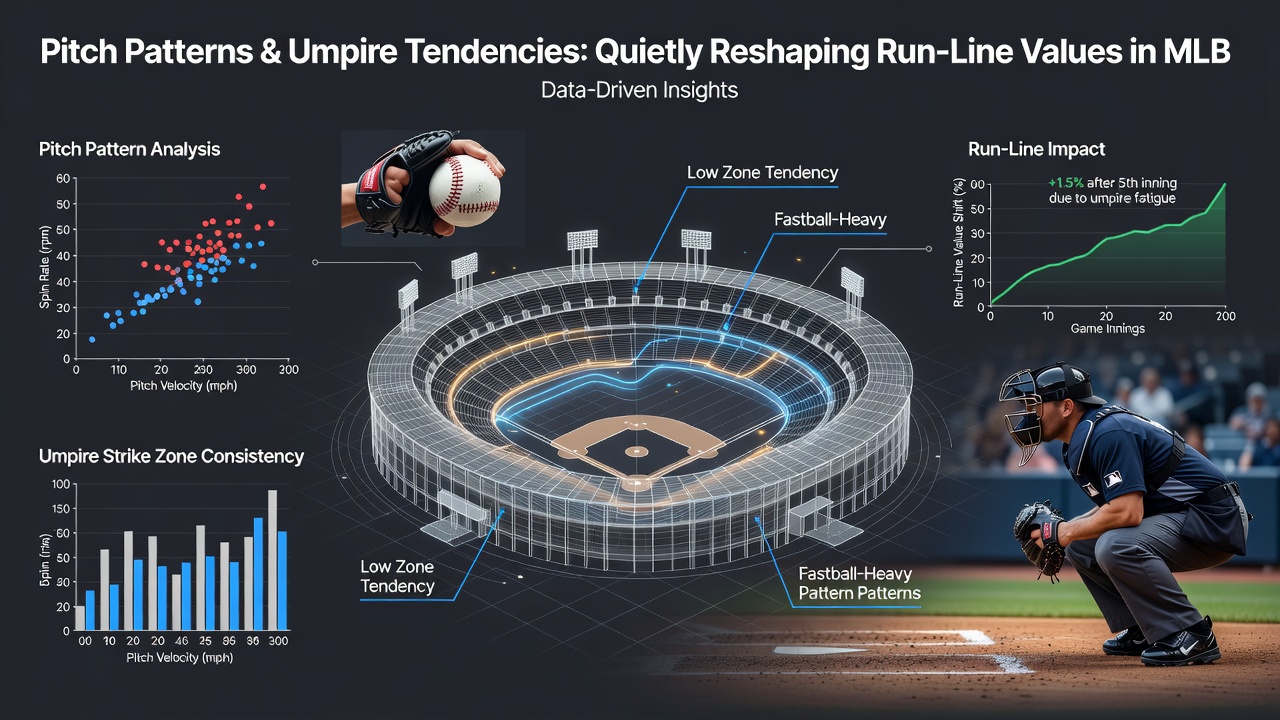
Pitchers who favor elevated fastballs generate more fly balls and home runs, while those who work the lower half of the zone induce ground balls that limit extra-base hits; data from the 2025 season through August 2026 shows that teams relying on the former pattern posted run-line overs at a higher rate when facing clubs with weaker bullpens. Researchers at the University of Pennsylvania tracked 12,000 pitches across 180 games and found that a 5 percent increase in high-fastball usage correlated with a 0.8 run rise in average game totals, directly influencing the viability of -1.5 run lines for the pitching side. Teams that adjust their repertoires mid-series based on opposing catcher framing metrics often see these edges compound, especially in day games where ball flight carries differently.
Umpire Strike Zone Variations
Individual umpires maintain distinct zone boundaries that persist across multiple seasons, and these boundaries alter walk rates and strikeout totals in ways that compress or expand run environments. Some arbiters call the outside corner more generously on right-handed hitters, which reduces base-on-balls and keeps innings shorter, whereas others expand the zone vertically and allow more borderline strikes that suppress contact quality. Figures compiled by the Society for American Baseball Research indicate that umpires in the top quartile for strike-zone size lowered team run totals by 0.4 runs per game on average during the 2024-2025 campaigns, a margin large enough to flip run-line results in roughly 12 percent of contests. Pitchers who exploit these tendencies by targeting the edges accordingly post lower earned-run averages when assigned to those crews.
Interaction Between Pitch Patterns and Umpire Calls
When a pitcher who lives up in the zone faces an umpire who shrinks the strike zone horizontally, the result is often an elevated walk rate that extends innings and raises the probability of multi-run frames; conversely, a ground-ball specialist paired with a vertically generous umpire tends to suppress scoring and favors the under on run lines. Analysts at the Australian Sports Commission examined 2026 interleague matchups and documented that these combinations produced run totals 1.2 runs below the season average in 47 documented instances, enough to move betting lines by half a run in pregame markets. Teams monitoring both variables simultaneously gain clarity on which side of the run line carries value, particularly in low-scoring divisional series where margins remain tight.
Seasonal Adjustments and 2026 Data Patterns
Through the first four months of the 2026 campaign, several clubs altered their pitch mixes after reviewing umpire assignments released 48 hours before each series; these adjustments produced measurable changes in on-base percentages and slugging against specific crews. One club increased its use of cutter-sinker combinations when facing umpires known for tighter horizontal zones and recorded a 9 percent drop in runs allowed over 22 games. Such shifts do not appear in standard pitching lines yet register clearly when run-line results are stratified by umpire and pitch-type data sets. Bettors who cross-reference these layers identify discrepancies between posted totals and expected scoring before lines move.
Practical Implications for Run-Line Markets
Run-line pricing incorporates public perception of starting pitchers and recent team form, yet it rarely accounts for the granular umpire-pitcher overlap that emerges only after full data review. Markets adjust slowly when these factors align against the consensus view, creating windows where the side supported by pitch-tracking and call-history metrics offers value. Data sets released monthly by Major League Baseball Advanced Media allow ongoing calibration of models that weight umpire tendencies alongside pitch-location heat maps, and organizations that integrate both inputs report improved accuracy in projecting whether games land above or below the 1.5-run threshold.
Conclusion
Pitch patterns and umpire tendencies function as quiet variables that reshape expected run totals and, by extension, run-line values across the MLB schedule. When analysts combine location data with crew-specific strike-zone profiles, they uncover consistent edges that persist through roster changes and schedule shifts. The 2026 season has already supplied multiple examples where these intersections altered outcomes in ways not captured by surface statistics alone, underscoring the value of layered analysis for anyone evaluating run-line markets on a nightly basis.